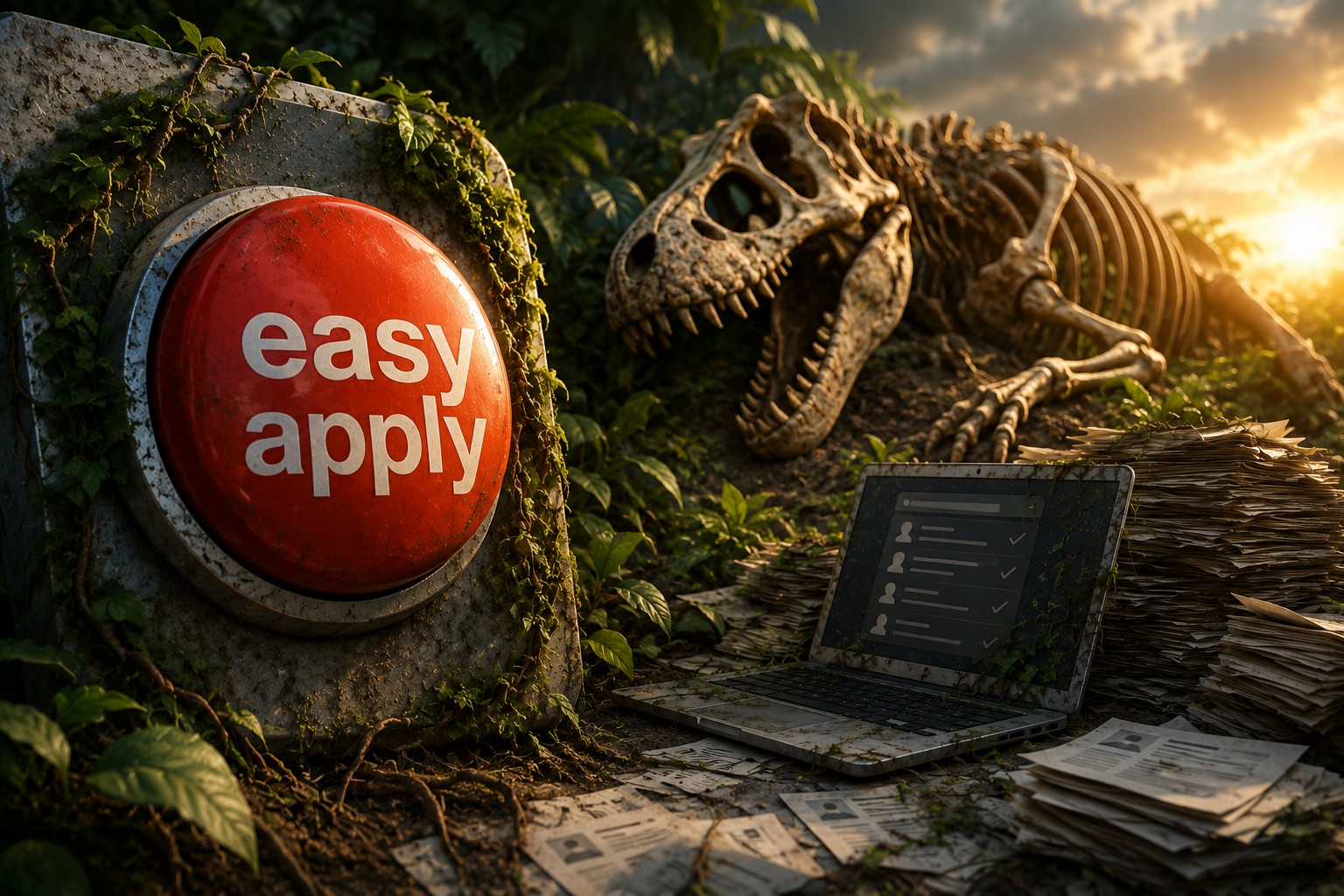


Most companies treat Learning & Development as something that begins after a candidate accepts an offer.
- Orientation.
- Onboarding.
- Training.
- Professional development.
- Career growth.
That’s the traditional model.
But when it comes to early career individuals, what if we’ve been starting too late? What if Learning & Development should begin before the first interview, at the top of the hiring funnel?
Before the offer. Before the hire. Maybe even before the application is complete.
At first glance, that sounds ridiculous. Why would a company invest in people who don’t even work there yet? The answer reveals a major opportunity hiding in plain sight.
The New Generation Is Asking for More Than a Paycheck
For decades, employers competed on compensation, benefits, and prestige. Those things still matter. But something has shifted.
Today’s workforce increasingly wants
- Development
- Growth
- Skills
- Career mobility
- Career stability
- A future
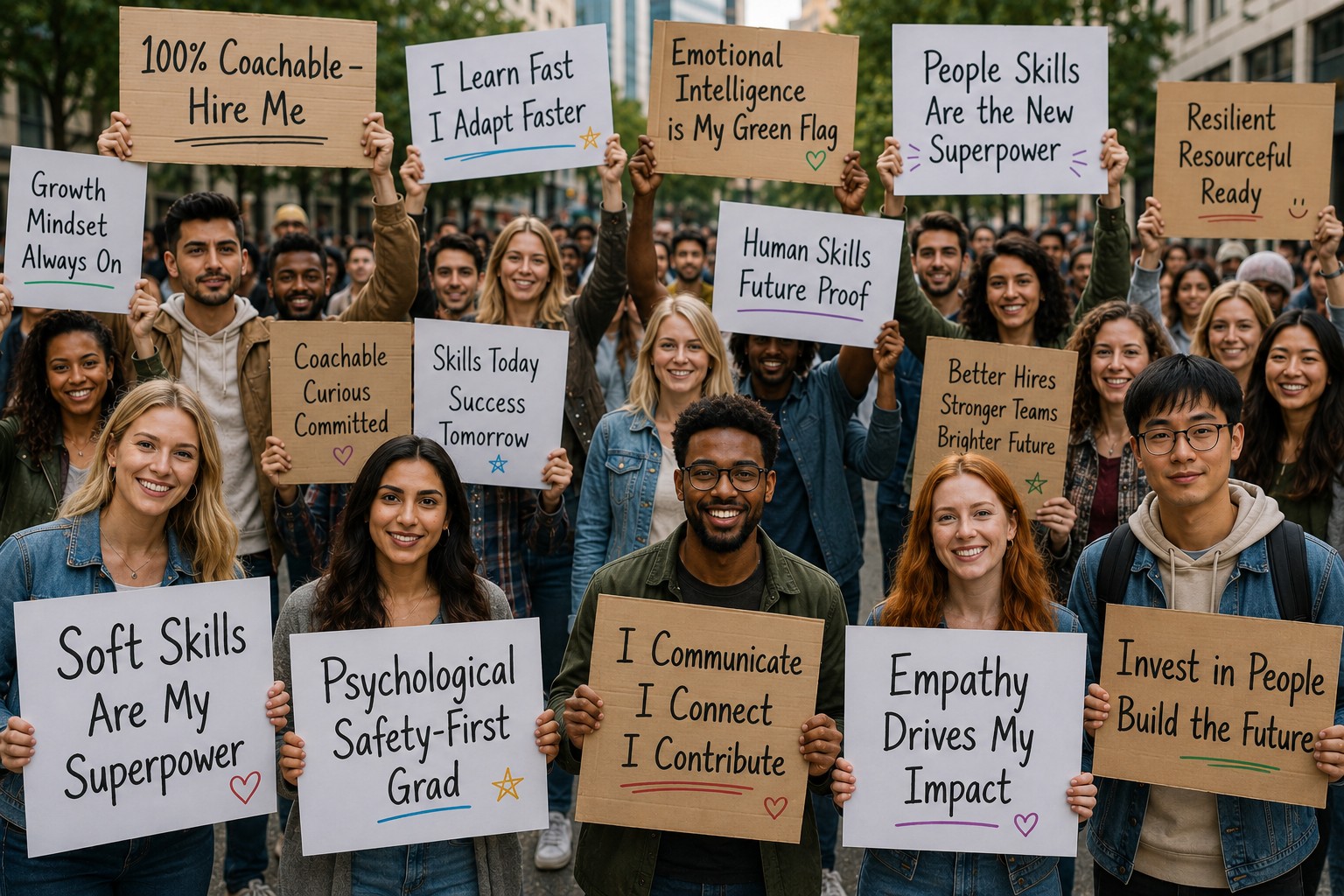
According to Deloitte, more than 86% of Gen Z view soft skills such as communication, empathy, emotional intelligence, and related human skills as important for career advancement.
That’s a remarkable statistic. Think about what it means. The generation entering the workforce isn’t just looking for jobs. They’re looking for growth.
The organizations that understand this will have a significant advantage in attracting talent.
A study from Youngstown State University shows that 46% of Gen Z workers said they will likely quit their job due to limited growth or upskilling opportunities and 34% will quit within the year.
If candidates don’t see the learning opportunities early in the interview process you risk losing out on accepted offers and if accepted, retention itself could be impacted.
The Hidden Opportunity Sitting at the Top of the Funnel
Most hiring funnels focus on one question: “How do we evaluate candidates?” A better question might be: “How do we create value for candidates?”
Imagine a candidate applying for a role. As part of the process, they gain access to workplace readiness microcourses focused on skills relevant to that position.
- Communication.
- Coachability.
- Problem solving.
- Adaptability.
- Emotional intelligence.
The very skills they’ll need to succeed if they’re hired.
What message does that send? It says:
- “We care about your future.”
- “We want you to succeed.”
- “We’re invested in your growth.”
- “We’re not just evaluating you—we’re helping you.”
That’s a dramatically different candidate experience.
The Secret Benefit: Better Hires
There’s also a practical business benefit. Candidates who understand workplace expectations perform better.
- They onboard faster.
- They adapt more quickly.
- They require less remedial coaching.
- They hit productivity sooner.
In other words, they’re more prepared.
Every employer says they want candidates who can “hit the ground running.” Yet many organizations wait until employees are hired to begin teaching the skills needed for success.
That’s like waiting until kickoff to explain the rules of the game. If workforce readiness matters, why not start building it earlier?
What About The Candidates Who Don’t Get Hired?
This is where things get interesting. Most organizations invest heavily in employee experience. Few invest in candidate experience.
Yet candidates outnumber employees by a massive margin. For every person you hire, dozens—or hundreds—leave disappointed. Many never hear from you again. Many walk away with a negative impression. Many tell others about the experience.
Now imagine a different outcome. Imagine every candidate who applies receives access to professional development resources they can use throughout their career.
Maybe they don’t get your job. But they gain new skills. New credentials. New confidence. New opportunities.
You haven’t just filled a position, you’ve improved someone’s employability. That’s a powerful statement about who you are as an organization.
Employer Branding Beyond The Four Walls
Most employer branding efforts focus on career pages, social media posts, recruitment marketing campaigns, and employee testimonials.
Those things matter. But actions speak louder than branding. What if your employer brand became known for something deeper?
What if candidates said:
- “Even though I didn’t get the job, I learned something valuable.”
- “They actually cared about helping me grow.”
- “They treated me like a person, not a resume.”
- “They gave me tools that helped me land my next opportunity.”
That’s employer branding no marketing campaign can buy. Because it isn’t marketing. It’s proof.
Culture doesn’t have to stop at the walls of your office. It can extend into every interaction with every candidate who encounters your organization.
The Human Side of Hiring
Let’s be honest. Job rejection can hurt. Candidates invest time, hope, energy and emotion. Most receive little in return. Maybe an automated email, a generic rejection or silence.
The hiring process is often transactional. But it doesn’t have to be. What if every rejected candidate left stronger than when they arrived?
Not because they got the job. Because they gained skills. Because they learned something useful. Because someone cared enough to invest in them.
In a world increasingly focused on efficiency and automation, that kind of human-centered approach stands out.
A New Way To Think About Talent
The organizations that win the future talent war won’t simply identify great candidates. They’ll help create them. Learning & Development shouldn’t begin after hiring. It should begin the moment someone expresses interest in your organization.
When you invest in people before they become employees, you’re doing more than building a workforce. You’re building trust. You’re building reputation. You’re building a stronger talent ecosystem.
And perhaps most importantly, you’re helping people succeed, even when they don’t succeed with you.
That’s not just good recruiting. That’s good leadership. And frankly, it’s good humanity.
Resumes tell you what candidates have done. Human skills help predict what they'll become. TheRealMe helps employers identify workplace-ready talent through soft skills signaling, AI-powered insights, and workforce readiness development to improve candidate quality. We filter out disengaged applicants, reduce mis-hires, strengthen employer brands, and build retained teams that thrive in the age of AI. The future belongs to organizations that invest in human skills. We're here to help you get there. Schedule a demo today!